Celoform applications
across medical fields.

Surgery, burns, military medicine, pediatrics, diabetes, veterinary. One dressing, eight properties, dozens of conditions.

1 · Surgery & pressure ulcers

Up to 50% savings
on expensive medication budgets.

Pressure ulcers of all stages, trophic ulcers, wounds with purulent-septic complications, surgical incisions.
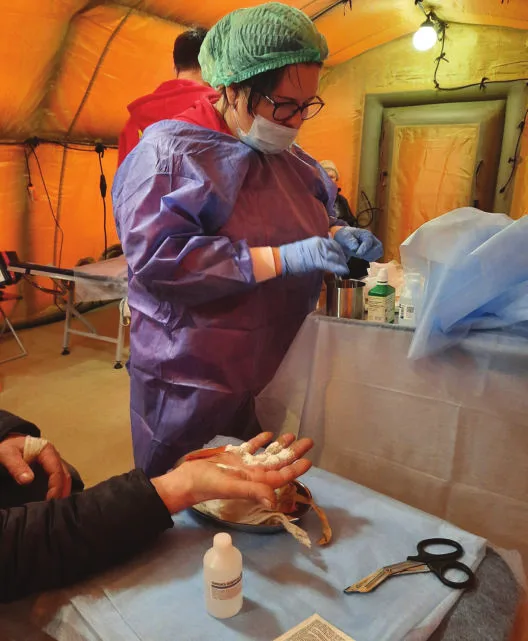
Field wound treatment with Celoform
What it treats
  • Pressure ulcers (all stages)
  • Trophic ulcers
  • Wounds with purulent-septic complications
  • Surgical incisions
  • Skin around stomas and drains
  • Skin around amputation stumps
  • Skin under prosthetics
  • Diaper rash — early stage
How to apply
  1. Apply Celoform generously to the affected surface; secure with a cotton bandage if needed.
  2. Dress once a day. For purulent-septic infection, remove the sorbent with an antiseptic solution; if no pus, use clean water.
  3. Reapply Celoform to the surface.
  4. Continue until the wound is fully cleared and discharge has stopped. Dressing frequency is not limited.
Start treatment early. Pressure ulcers begin with diaper rash — apply at the first signs. For post-op wounds, apply Celoform by powdering to prevent purulent complications.
2 · Burns

Used in combat conditions.

Thermal degree 1–2, sunburn, chemical burns, hogweed exposure.

What it treats
  • Thermal burns, degree 1–2
  • Sunburn
  • Chemical burns
  • Hogweed burns
Context · Hogweed

A dangerous poisonous plant of the Apiaceae family. Its sap makes skin vulnerable to UV — burns of degree 1–3 are possible. Celoform is used for both prevention and treatment.

Warning. For severe or extensive burns, consult a physician.
How to apply

Apply generously to the affected surface; secure with a breathable bandage if needed. Dress once a day.

3 · Hemostatic

Hemostatic agent
for field military surgery.

An indispensable fast-acting agent in a soldier's first-aid kit. Used by combatants and military medics in combat conditions.

What it treats · 8 conditions
  • Shrapnel wounds
  • Gunshot wounds
  • Mine-blast wounds
  • Thermal burns
  • Chemical burns
  • Stab and cut wounds
  • Capillary bleeding
  • Venous bleeding
How to apply

Pour generously onto the wound; apply a pressure bandage if needed. Continue until bleeding stops.

4 · Pediatrics

Approved from birth (0+).

Contains no irritating ingredients. Biologically pure, with no contraindications and no side effects.

What it treats
  • Diaper rash and prickly heat
  • Baby powder
  • Allergic reactions
  • Scratches and itching
  • Chickenpox
  • Surgical sutures
  • Omphalitis
  • Cuts and burns
  • Weeping eczema
  • Urticaria and dermatitis
Features of children's skin

Thin epidermis, loose structure, dry surface, high permeability — there is a risk of systemic effect from medications.

What Celoform does not contain
— TALC

Causes "talc granulomas"; banned for medical use in many countries. In 2017 a U.S. court ruled against a manufacturer for inadequately disclosing the carcinogenic risk.

— STARCH

A nutrient medium for bacteria.

— ZINC OXIDE

May cause itching, redness, rash.

In pediatrics, Celoform demonstrates high efficacy. The product's properties are universal across various types of wounds, including those complicated by purulent processes. Its simplicity of use and the absence of contraindications and allergic reactions make Celoform the preferred choice.
V. U. Sataev D.Sc. (Medicine), Professor · Pediatric Surgeon
How to apply

Apply a thin layer to clean, dry skin; let it "breathe" for 1–2 minutes. Rinse off with running water after 1–2 hours or at the next diaper change.

5 · Diabetic foot

How to reduce the risk of amputation
in diabetic foot syndrome.

One of the most dangerous complications of diabetes — excess glucose disrupts metabolism, leading to ulcers and inflammation in the lower extremities.

What it treats
  • Trophic ulcers
  • Diabetic foot — all stages
  • Prevention of complications
  • Calluses and cracks
Wagner classification
0
No lesion
1
Superficial ulcer
2
Deep ulcer
3
Osteitis
4
Partial gangrene
5
Total gangrene
Prevention

For patients with diabetes, attend to any skin damage on the feet. Preventive treatment of the feet, wounds, calluses and cracks averts complications.

We have developed a method and learned to treat with Celoform not only trophic ulcers, but also diabetic foot — one of the most challenging ulcerative conditions.
V. U. Sataev D.Sc. (Medicine), Professor · Pediatric Surgeon
Important. Monitor blood glucose. Above 10 mmol/L, wounds do not heal.
How to apply
  1. Cover the wound fully with Celoform; secure with a bandage if needed.
  2. Once saturated, do not remove the crust — add more powder to increase sorption capacity.
  3. Dress once every 3–4 days.
  4. Continue until the ulcer is fully cleared and closed.
6 · Veterinary

Vetoform — for all species and breeds.

Any weight. Autoimmune conditions. Young and adult animals. Allergic patients. Weakened animals. The postoperative period.

What it treats · 10 conditions
  • Bites
  • Purulent and weeping wounds
  • Abrasions and scratches
  • Scratching and itching
  • Surgical sutures
  • Grooming
  • Nail trimming
  • Cuts
  • Burns
  • Gum bleeding
Important. For the first 3 days, purulent discharge may increase — Celoform draws decay products to the surface from deep tissue.
How to apply

Apply generously; secure with a cotton bandage if needed. Dress once a day.

+ Additional · Dentistry

No fluoride, no chemistry.

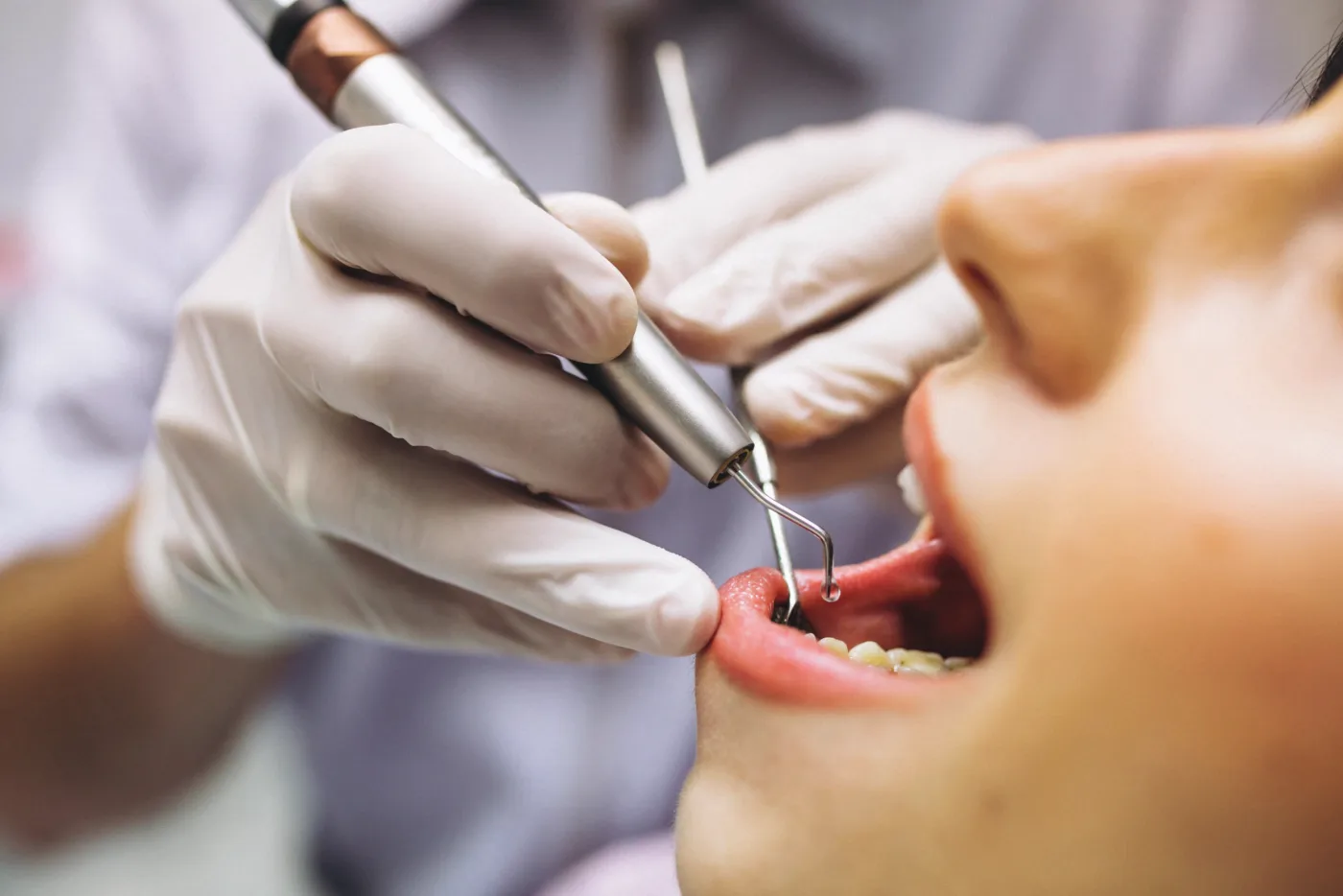
Dental application of Celoform
What it treats
  • Tooth cleaning
  • Denture cleaning
  • Orthodontic appliance cleaning
  • Periodontitis
  • Stomatitis
  • Gingivitis
  • Angular cheilitis
  • Odontogenic phlegmon
Advantages
  • No fluoride or chemical additives
  • Safe if swallowed
  • Effective for gum inflammation
  • Eliminates bad breath
How to apply

A small amount of powder on a toothbrush, twice a day.

+ Additional · Dermatology & cosmetology

After peels and depilation.

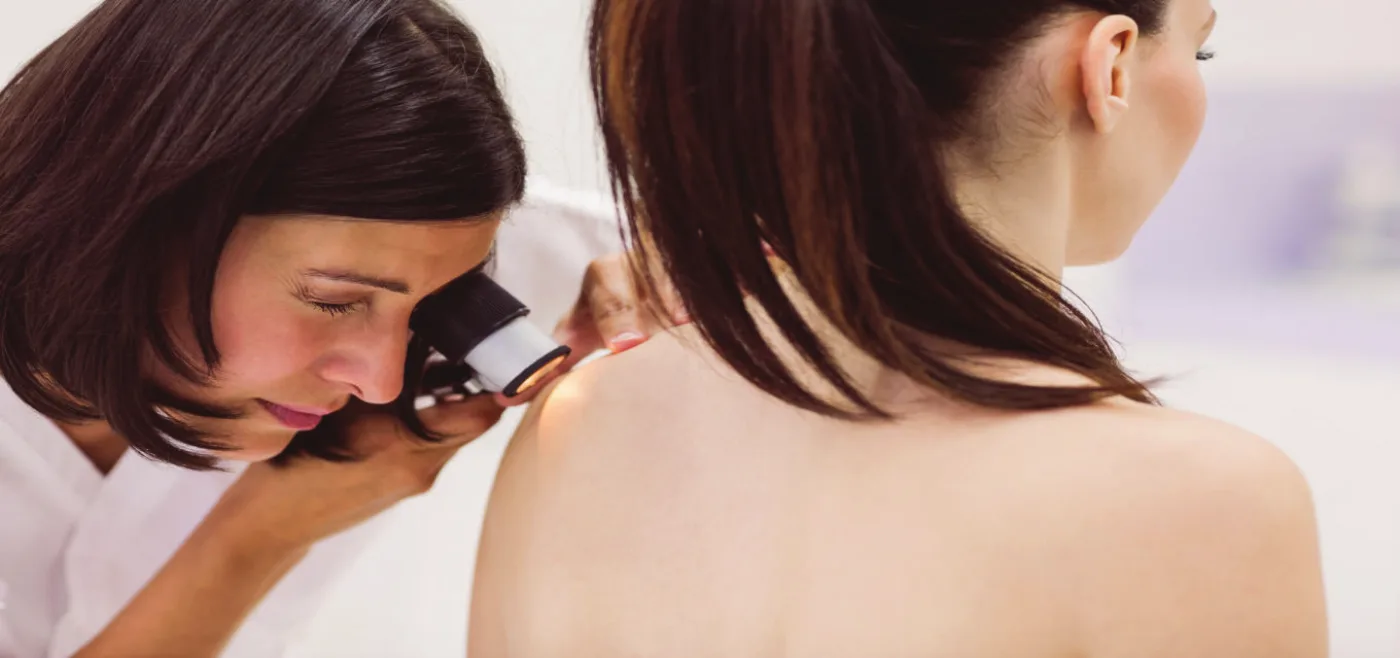
Dermatological skin examination
What it treats
  • Acne
  • Skin after peels
  • Skin after depilation
  • Weeping eczema and maceration
  • Urticaria and dermatitis
Advantages
  • Does not clog pores
  • Does not cause irritation
  • Suitable for sensitive skin
  • Use after cosmetic procedures
How to apply

To prevent irritation, maceration, prickly heat and diaper rash, apply a small amount to clean skin.

Precautions

Important warnings.

General rules for using Celoform across all applications.

  1. 1. Healing must be supervised by a physician specialized in the relevant pathology. The attending physician evaluates the wound and prescribes treatments based on the stage of healing.
  2. 2. Exudate may increase. Celoform is a medical sorbent — it draws out pus and decay products. Once the powder has done its job, rinse it off with an antiseptic solution or water.
  3. 3. After exudate stops, switch to wound-healing creams, ointments, or gels to prevent dryness. Celoform may be alternated with moisturizing agents.
  4. 4. For external use only.
  5. 5. Do not inhale.